

Care of Mattress and Pillow: Simple Steps for a Fresh Bed
Your bed does more work than any other piece of furniture in your home. Night after night, your mattress and pillows absorb sweat, oil, and dead skin cells, and they can hold onto bacteria and dust mites even when they look clean. That is why the care of mattress and pillow is not just a nice extra. With a simple weekly and monthly routine, you can keep your sleep space fresher, reduce irritants, and help your bedding last longer.
Why Your Mattress and Pillows Need Regular Care
Most homes get cleaned on a regular basis, but the mattress often gets overlooked. Your entire mattress may look clean to the naked eye, yet underneath the surface it can be collecting bacteria, sweat, dead skin cells, dust mites, and other debris. Pillows face the same buildup, and they spend every night pressed against your face and neck.
Keeping a consistent care routine prevents these particles from building up over time. It also helps your pillow do its job. A clean, well-supported bed is easier to maintain and more comfortable to sleep on. This is why many pillow brands, including Lussi & Company, publish specific care, washing, and loft-adjustment guidance for their products.
The Simple Bedding Cleaning Schedule
Keeping a regular washing schedule is the backbone of mattress and pillow care. Different bedding items collect dirt at different rates, so it helps to know how often each one should be washed. The schedule below is an easy way to keep track.
| Bedding Item | How Often to Wash |
|---|---|
| Sheets and mattress protection | Weekly, in hot water |
| Duvet covers | Once or twice a month |
| Comforters and blankets | Every 2 to 3 months |
| Pillow inserts | Every 4 to 6 months |
Sheets and mattress protection deserve the most attention. Launder them weekly in hot water to remove irritants like pollen, dander, and dust mites. Stains or spills should be handled right away, because the longer they sit, the harder they are to remove. A simple calendar reminder can keep you on track.
Weekly Habits for a Clean Mattress
Wash Sheets and Protectors Every Week
The first layer of protection for your mattress is what sits directly on top of it. Sheets and mattress protection should be washed every week in hot water. This single habit removes many of the irritants that would otherwise make their way into the mattress, including pollen, dander, and dust mites. If you use a mattress encasement, it adds another barrier between your mattress and daily wear.
Use Mattress Protection
Protective layers are one of the simplest ways to extend the life of your mattress. A mattress encasement covers the entire surface and helps keep sweat, spills, and skin cells from reaching the mattress itself. If you do not have an encasement, you will need to vacuum the mattress more often to make up for the lack of protection. Either way, keeping a barrier between your body and the mattress reduces the amount of debris that builds up over time.
Handle Stains and Spills Quickly
Stains and spills should be dealt with as soon as they happen. For a fresh spot, wipe the area with warm water and a drop of gentle soap, then let it dry completely before putting bedding back on. Avoid scrubbing too hard, and never soak the mattress. Excess moisture can create bigger problems than the original stain, so keep the area as dry as possible.
Monthly Mattress Care
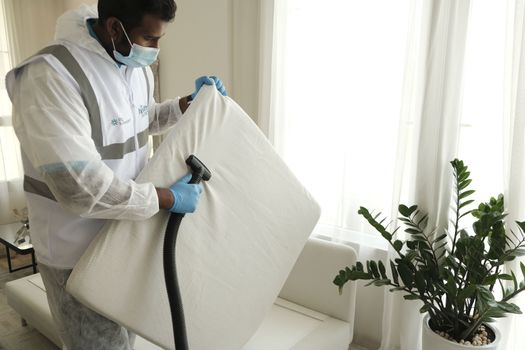
Vacuum the Mattress Once a Month
If you do not have a mattress encasement, plan to vacuum your mattress once a month. Use a full-size vacuum cleaner with powerful suction rather than a small handheld model, so you can pull up more dust and debris from the surface. Run the vacuum across the entire top of the mattress, and take your time on seams and edges where particles tend to collect. Regular vacuuming is one of the most effective ways to keep a mattress fresh between deeper cleanings.
How to Care for Your Pillows
Pillow care is simpler than it sounds, but it does require a different approach than washing sheets. The goal is to keep the pillow itself protected so it stays clean and supportive for as long as possible.
Use a Removable Pillow Protector
Some pillow care guidance suggests that pillows should not be washed and dried, and that the best approach is to use a removable pillow protector instead. Protectors work just like mattress protectors, shielding the pillow from sweat, oil, and skin cells. A good protector can be removed and washed, which means your pillow itself stays cleaner for longer.
Fluff Pillows Daily
Fluffing your pillows daily is a small habit with real benefits. It restores the pillow’s shape and keeps the filling distributed evenly so you get consistent support through the night. For adjustable pillows, this is also a good moment to check the loft. Some brands, including Lussi & Company, provide loft-adjustment steps as part of their pillow care guidance.
Clean Pillows Rarely but Well
When a pillow does need cleaning, the advice is to clean it rarely but well. Pillow inserts can be washed every 4 to 6 months as part of your regular bedding schedule. In most cases, a normal wash cycle with warm water is a safe bet, and tumble drying on a medium or low setting should be fine. Make sure the pillow is fully dry before you put it back on the bed, and check the care label for any product-specific instructions.

Caring for Adjustable and Ergonomic Pillows
Adjustable pillows add one extra step to your routine. Because you can customize the fill and loft, the way you care for them affects how well they support your neck and spine. When you fluff the pillow, take a moment to check whether the fill has shifted or settled. Adjustable designs, such as the doctor-created pillows from Lussi & Company, allow you to remove or add filling to match your sleeping position. Regular loft checks help you maintain the same level of comfort you had on the first night.
Drying and Freshening Bedding the Right Way
Dry Low and Slow
How you dry your bedding matters as much as how you wash it. Drying low and slow helps prevent wrinkles and static, and dryer balls can help keep fabrics soft while reducing cling. High heat can damage fibers and shorten the life of your sheets and pillowcases, so a gentle setting is the safer choice for most bedding.
Freshen Up Between Washes
Deep cleaning is only part of the picture. Between washes, you can keep your bed feeling fresh in simple ways. Vacuuming the mattress monthly removes surface dust, while pillow protectors keep pillows fresh without frequent washing. Fluffing pillows each morning keeps them looking and feeling their best. Replacing pillows and bedding regularly also helps maintain your mattress’s overall hygiene.

When to Replace Pillows and Bedding
Even with the best care routine, no pillow or mattress lasts forever. Replacing pillows and bedding regularly keeps your sleep space clean and supports your mattress’s overall hygiene. If a pillow has lost its shape, feels flat, or no longer supports your neck and spine, it is time for a new one. Keeping the layers above your mattress clean is the simplest way to protect the mattress itself, and a fresh pillow makes the entire bed feel more comfortable.
Frequently Asked Questions
How often should I wash my pillow and bedding?
Pillow inserts can be washed every 4 to 6 months. Duvet covers should be washed once or twice a month, while comforters and blankets should be washed every 2 to 3 months. Sheets and mattress protection should be laundered weekly in hot water to remove pollen, dander, and dust mites from your sleep space.
Should I wash pillows in a washing machine?
Some care guidance suggests that pillows should not be washed and dried, and recommends a removable pillow protector instead. Other guidance notes that a normal wash cycle with warm water is usually safe, followed by tumble drying on a medium or low setting. Check your pillow’s care label and follow the manufacturer’s instructions for the best result.
What happens if you never clean your mattress?
Your mattress may look clean to the naked eye, but over time it can collect bacteria, sweat, dead skin cells, dust mites, and other debris. Without regular vacuuming and protective covers, this buildup continues night after night. A monthly vacuum, weekly sheet washing, and mattress protection all help keep these irritants under control.
How do I freshen up my mattress and pillows?
Start by vacuuming the mattress once a month with a full-size vacuum cleaner if you do not have an encasement. Wash sheets and mattress protection weekly in hot water. Use removable pillow protectors and fluff pillows daily. For pillow inserts, wash every 4 to 6 months with warm water and dry on a low or medium heat setting.